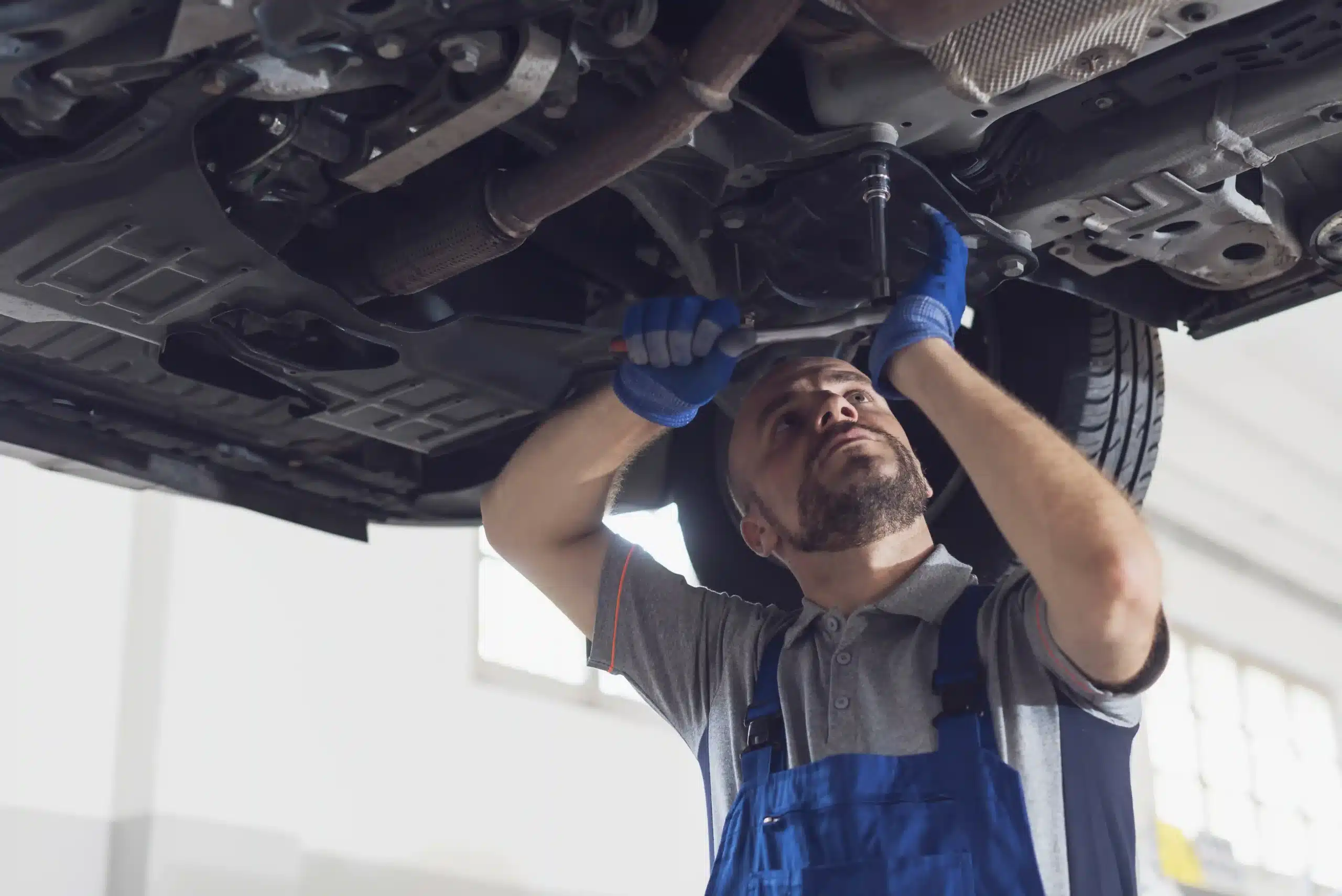
Getting your car through its MOT test doesn’t have to be stressful. At First Auto Centre, we see the same common MOT failures crop up year after year. The good news? Most MOT failures are easy to prevent with a bit of proper car maintenance and attention.
Here are the five most common reasons why a car fails its MOT test, and simple steps you can take to avoid them. Remember, if your vehicle fails its MOT test, it’s illegal to drive without a valid MOT certificate.
1. Lights and Signals Issues
Why cars fail: Faulty lights and signals are one of the biggest MOT failures. This includes broken bulbs, cracked lenses, or lights that don’t work properly. The Driver and Vehicle Standards Agency (DVSA) checks all your lights – headlights, brake lights, indicators, hazard lights, and number plate lights. Even rear-view mirrors with built-in indicators must be in good condition.
How to avoid it: Check all your lights once a month. Ask a friend to help – have them stand behind your car while you test the brake lights and indicators. Replace any blown bulbs straight away. Clean dirty lenses with soapy water to make sure light can shine through clearly. The official DVSA guidance explains exactly what’s checked during your MOT test.
Quick tip: Keep spare bulbs in your car. They’re cheap and easy to change yourself. Don’t let a simple bulb failure mean your car fails its MOT.
2. Tyre Problems
Why cars fail: Tyres are another common reason why a car fails its MOT. The Vehicle Standards Agency DVSA checks for tread depth less than 1.6mm, uneven wear, or damage like cuts and bulges. If your tread depth is too shallow, your vehicle fails the test immediately.
How to avoid it: Check your tyre tread depth every month using the 20p coin test. Put the coin in the tread grooves – if you can see the outer band, your tyres need replacing. Look for any cuts, cracks, or bulges on the sidewalls too. Keeping your tyres in good condition is essential for a valid MOT.
Quick tip: Rotate your tyres every 6 months to help them wear evenly. Keep them properly inflated – check the pressure when tyres are cold. Don’t let worn tyres be the reason your car fails.
3. Windscreen and Mirror Problems
Why cars fail: Chips, cracks, or damage in the driver’s line of sight will cause MOT failures. Even small chips can spread quickly and become bigger problems. Damaged rear-view mirrors or registration plates that can’t be read clearly will also cause your car to fail its MOT test.
How to avoid it: Fix small windscreen chips as soon as possible. Keep registration plates clean and make sure they’re not cracked or faded. Check that all rear-view mirrors are secure and not cracked.
Quick tip: Fix small chips as soon as possible before they turn into expensive cracks that need a full windscreen replacement. Clean number plates regularly so they can be read easily.
4. Brake and Safety Issues
Why cars fail: Worn brake pads, damaged discs, or brake fluid leaks are serious safety issues that cause MOT failures. The DVSA also checks seat belts – if they’re frayed, don’t click properly, or are damaged, your car fails its MOT. These are major safety features that must be in good condition.
How to avoid it: Listen for squealing or grinding noises when you brake – these are warning signs. If your car pulls to one side when braking or the brake pedal feels spongy, get it checked straight away. Test all seat belts regularly to make sure they click and release properly. Have your brakes inspected as part of regular car maintenance.
Quick tip: Don’t ignore brake warning signs. Worn brakes are dangerous and expensive to fix if left too long. Check seat belts work properly before your MOT test.
5. Emissions Problems
Why cars fail: Cars that produce too much pollution will fail the emissions part of the MOT test. This often happens when the engine isn’t running efficiently.
How to avoid it: Service your car regularly and don’t skip oil changes. A well-maintained engine runs cleaner. Take your car on longer drives occasionally – short trips don’t let the engine warm up properly, which can cause problems.
Quick tip: If your exhaust smoke is black, blue, or white, get it checked before your MOT.
Get Ready for Your MOT
The best way to pass your MOT is to keep your car well-maintained all year round. Regular car maintenance catches problems before they become expensive failures that could mean your car fails its MOT test.
At First Auto Centre, our experienced team can help you prepare for your MOT test. We offer thorough MOT testing and can fix any issues we find on the spot. If your car has failed their MOT with us, we can arrange a quick MOT retest once repairs are complete.
Don’t wait until the last minute. Book your MOT early and give yourself time to fix any problems. A pre-MOT check can save you money and stress by catching issues before the official test. Remember, you can’t drive my car legally without a valid MOT certificate.
Remember: An MOT certificate shows your car met the minimum safety standards on the day of the test. But keeping your car safe is an ongoing responsibility. Regular checks and car maintenance keep you and other road users safe every day. If you’ve failed their MOT elsewhere, don’t worry – most common MOT fails are fixable.
For more information about our MOT testing services and to book your test, visit our MOT testing page. Our team at Lawrence Road is ready to help keep your vehicle roadworthy and safe.